

About oRRIS
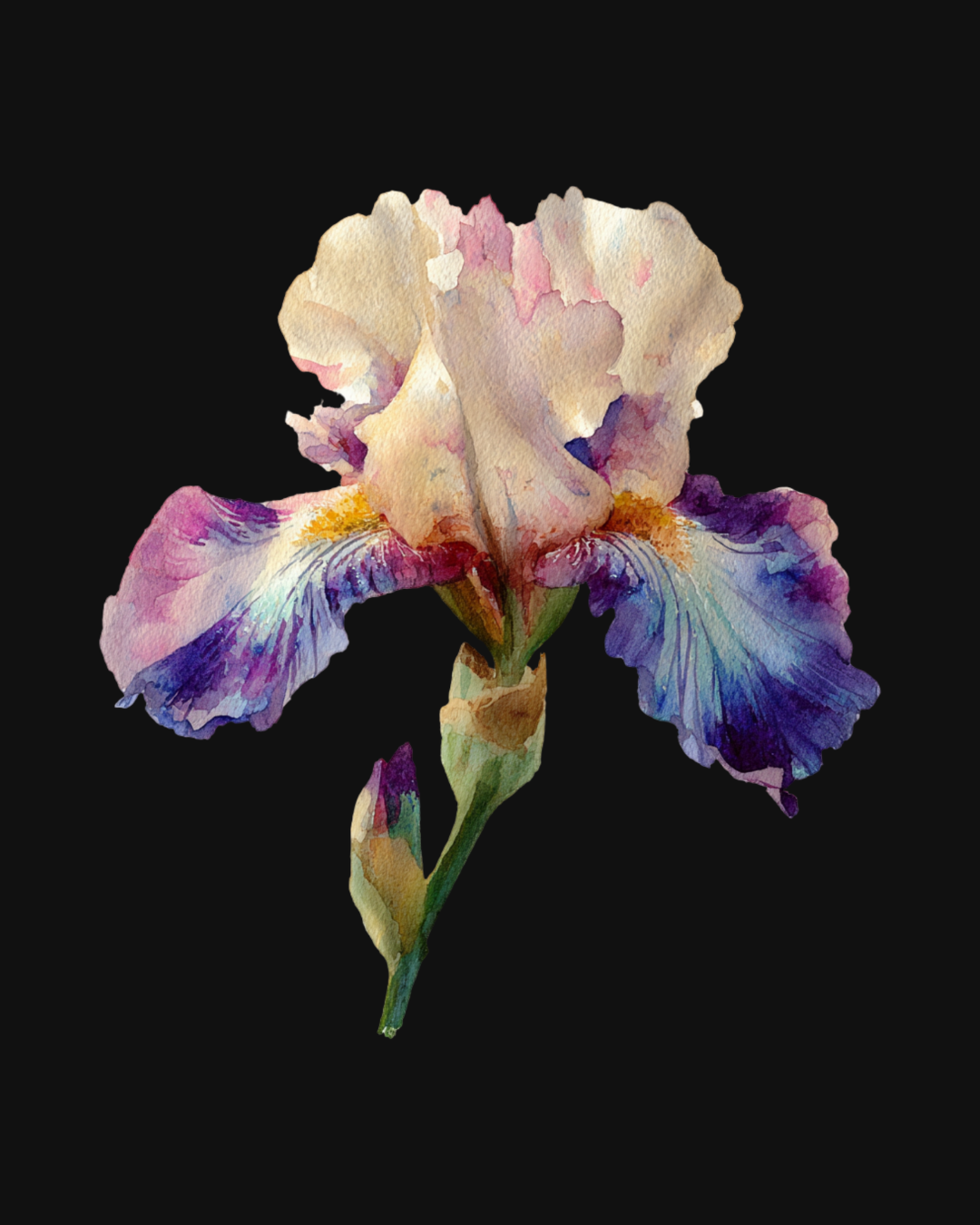
ORRIS is born from the Iris — a flower that has guided souls, crowned royalty, and carried messages between worlds for thousands of years. Named for the Greek goddess of the rainbow, Iris, it represents the light that bends and reveals new colours when we shift our perspective. A reminder that clarity doesn’t always arrive in a straight line — sometimes it refracts.
Across ancient cultures, the iris has symbolised guidance, wisdom, and transition. It marked the path between the known and the unknown. Between who we were and who we are becoming. The Egyptians saw in its three petals character - the balance of faith, courage, and knowledge; the French enshrined its form as the fleur-de-lis, a signal of divine authority and noble purpose. In Japan, its sword-shaped leaves protect and purify, ushering in renewal with the change of seasons.
But beneath the surface of all this rich symbolism lives the part we love most: the ORRIS — the rhizome, or subterranean body of the plant. Humble, enduring and often overlooked, this is where it houses its energy.
As each bloom comes and goes, the ORRIS remains - quietly observing, refining, and building potency. For those perceptive few who value foundation and patience: the unseen becomes the unforgettable.
The ORRIS is one of the most valued coveted aromatics on the planet. Subtle, enduring, and deeply transformative.
Who are we?
Hi - I’m Ash.
I’ve always felt energy.
Not in the abstract — but in rooms, in people, in land, and in systems. Even as a child, I was highly sensitive to my environment. I felt what others didn’t speak. I knew when something was off. Like many others with similar observational and analytical abilities, I’m sure. I was told to be quiet, or that I was making things up - there’s no such thing as any of that nonsense! Even today, as I write this, I struggle to find words to talk about it. I feel fear and shame begin to rise from the place they still reside, a well-intentioned reminder I suppose - but there’s work to be done now.

I’ve been lucky enough to have a diverse working background in different industries and some truly great life experiences. I am a qualified chef and a sommelier, and I have studied botany, horticulture, landscape and permaculture design. I have worked in environmental restoration, events production, financial and creative consulting, community organisations and social enterprises.
Wherever I’ve landed, I’ve found myself in positions of leadership, direction, or deep repair — quietly seeing where systems are stuck and how to bring them back into alignment. I find myself always drawn back to the meeting point of human, environment, and energy.
And while I’ve designed systems, led businesses, and taught teams — what I’ve really been doing is this -
helping people and places return to their natural rhythm.
My experience has taught me that the fastest way to get there is healing. Whether that’s healing chronic stress, old stories, unsustainable business models, or patterns passed down through generations. I’m especially drawn to what needs reconfiguration — what’s out of sync, misaligned, or ready to evolve.
As someone who has always understood energy systemically, I’ve noticed that lately more and more people are becoming attune to it. Whether its a connection to nature, or a heightened sensitivity, a neurodivergence, or a new technological discovery - I can feel the change in the atmosphere, I hear the language forming, I see the bodies moving differently. Priorities are different now and perceptions are changing - we acknowledge the mind-body connection, have measurable proof now that the epi-genome can modify our DNA, and the use of frequency medicine is no longer considered fringe in hospitals, but fundamental.
Because now, finally, the science is catching up and we have a device that tells us - ‘oh hey, it turns out that 6000 years of lived, observational experience those Taoists have been talking about all this time might actually have not been fairy tales!’
What Indigenous and traditional healing systems have known for thousands of years is now being measured in real time.
And the ones who begin working with these systems now — with integrity and skill — will be ahead of a very powerful curve.
We are entering a time when frequency is measurable, coherence is trainable, and energy is not only real — it's readable.
I have recently received the honour of Usui Reiki Master. Although I have played with energetic therapies my whole life, my continued practice has given me a great advantage when applying my practical experience assessing people, systems, and environments. I also truly enjoy working with Human Design and it has played a huge part in helping me step into my own self. If you aren’t familiar with it, it can come across a bit Sci-fi, but it’s mostly just an ancient system of observationally acquired human knowledge with some applicable quantum physics thrown in. One of the best parts about it, is that I can use my BodyGraph as resume here!
I’m the Reflector type - I’m designed to sense the energetic health of environments, systems, and ideas. I reflect back what’s misaligned — not with judgment, but with precision. I help others see what they already know deep down, and move forward from that knowing.
ORRIS is the distillation of what I’ve lived, studied, and practiced:
A consultancy that supports individuals, businesses, and ecosystems to shift into deeper energetic coherence — so they can create, lead, and live from a more aligned place.
What is Human Design?
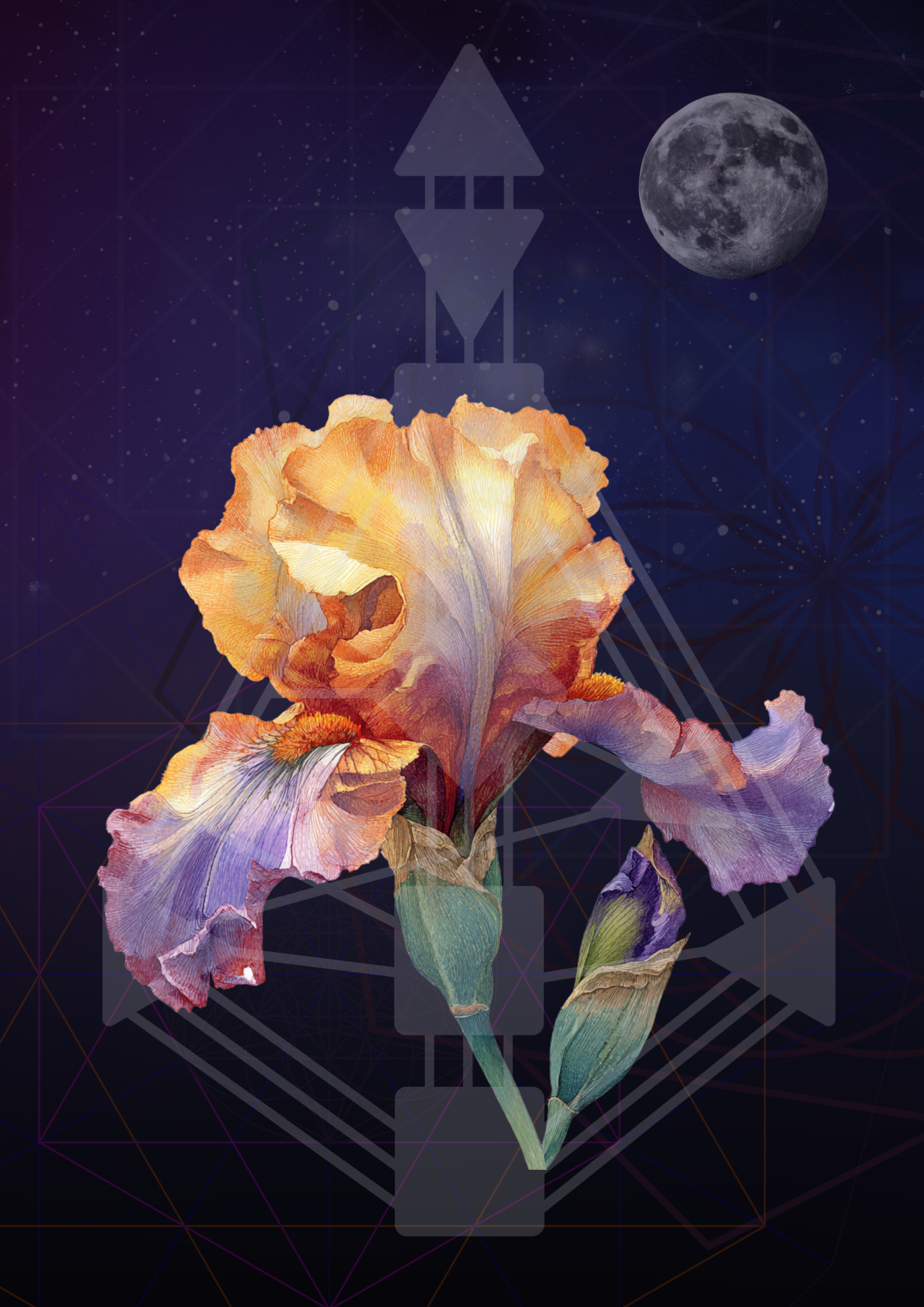
Human Design is a contemporary self-discovery and decision-making model introduced in 1987 by Ra Uru Hu.
It synthesises multiple frameworks such as behavioural typology, circadian biology, epigenetic and quantum theory, and draws on ancient philosophy from symbolic systems - including principles and ideologies from Astrology, the I-ching and Kabbalah.
An assessment will typically involve the creation of a chart called a BodyGraph.
This chart is generated from birth data and represents theoretical energy patterns in how humans process information, respond to stimuli, and interact socially.
Human Design is used as a practical tool to prompt self-reflection and strengthen personal awareness.
Many people find benefit in using it to:
Recognise unique strengths and behavioural patterns
Identify environments and workflows that support wellbeing
Understand preferred communication and relationship dynamics
Make decisions with less internal conflict by tuning into their natural responses
Reduce stress by highlighting indicated aggressors
Redefine personal and relational boundaries
Whilst Human Design does incorporate concepts (like astrology) not currently validated by our traditional science model, it does not require you to believe in it, or change any of your currently held religion, spirituality or ethics.
The Human Design system can be valued for its psychological insight and its ability to help individuals explore identity, improve wellbeing, and foster more effective interpersonal understanding.
It cannot, and does not pretend to predict the future.
What is
Reiki?
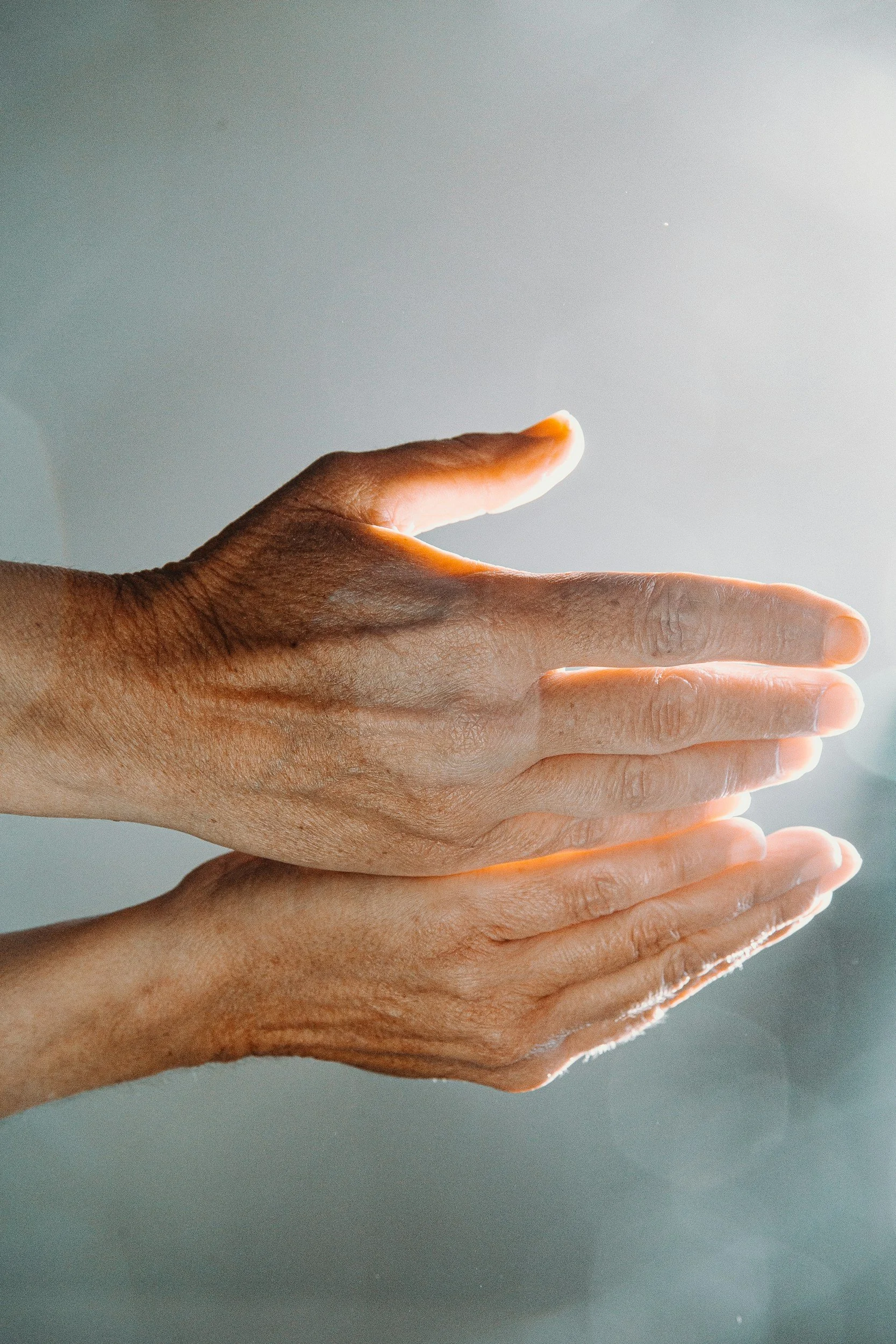
Reiki is a gentle, non-invasive energy therapy that originated in Japan in the early 20th century. The name translates to “universal life energy.”
Practitioners use light touch or work just above the body to support relaxation and the body’s natural ability to restore balance.
Reiki is commonly used to reduce stress and tension, support emotional wellbeing - so in turn physical wellbeing - encourage a sense of calm, clarity, and grounded-ness.
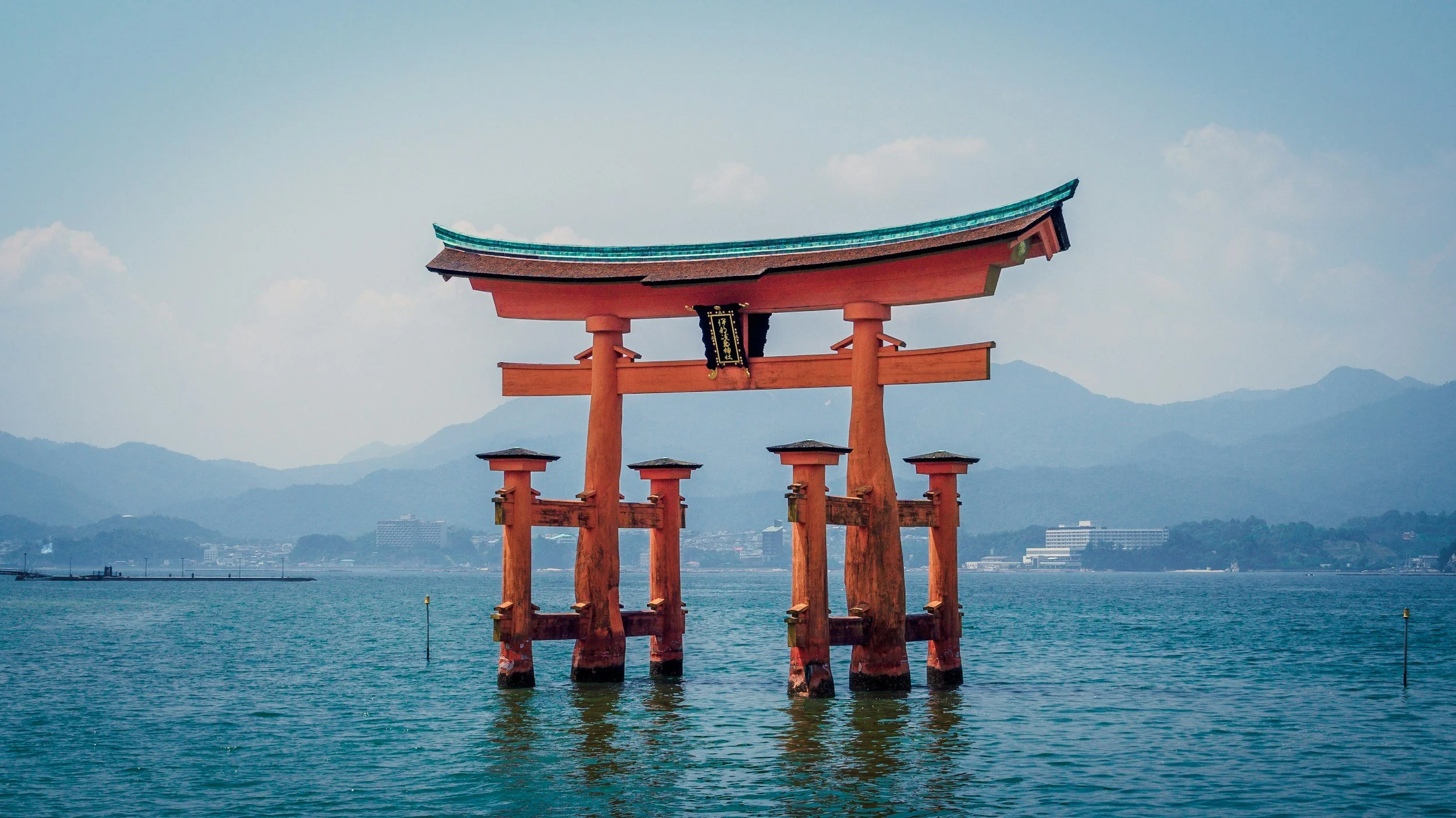
Reiki emerged from Japanese cultural and spiritual traditions, particularly those influenced by Shinto philosophies.
Shinto is Japan’s Indigenous spiritual tradition. Rather than a codified religion with strict doctrines, it is a worldview rooted in harmony with nature, respect for life, and personal purity. It focuses on the lived experience of being in the right relationship with the world — not belief systems or conversion.
In its original form, Usui Reiki was a practice of self-cultivation — returning to one’s original state of balance, presence, and integrity.
The ability to channel calming, supportive touch was understood to be a result of personal alignment and self-awareness, an unexpected side effect - and not the goal itself!
Over time, especially as Reiki spread to the West, the focus shifted toward the external technique — the hands — rather than the internal practice of wellbeing and self-responsibility.
Reiki is fundamentally a practice of self-regulation, balance, and coming home to yourself.
While the exact mechanisms of Reiki are still being studied, many people find it helpful as a complementary wellness practice — one that prioritises rest, presence, and connection to self. At ORRIS, sometimes Reiki may be offered as a supportive experience: a moment to pause, breathe, reconnect, and leave feeling more centred than when you arrived.
At ORRIS, we deeply honour and respect ‘Kami’ - the way of the Shinto- and do our best on every day to work by Usui’s five principles of Reiki:
Ignore anger
Ignore worry
Practice gratitude
Work diligently, in all that you do
be kind to others
Contact us
Interested in working together or have some questions for us?Fill out some info and we will be in touch shortly. We can’t wait to hear from you!